Understanding Photo Finishes in Horse Racing
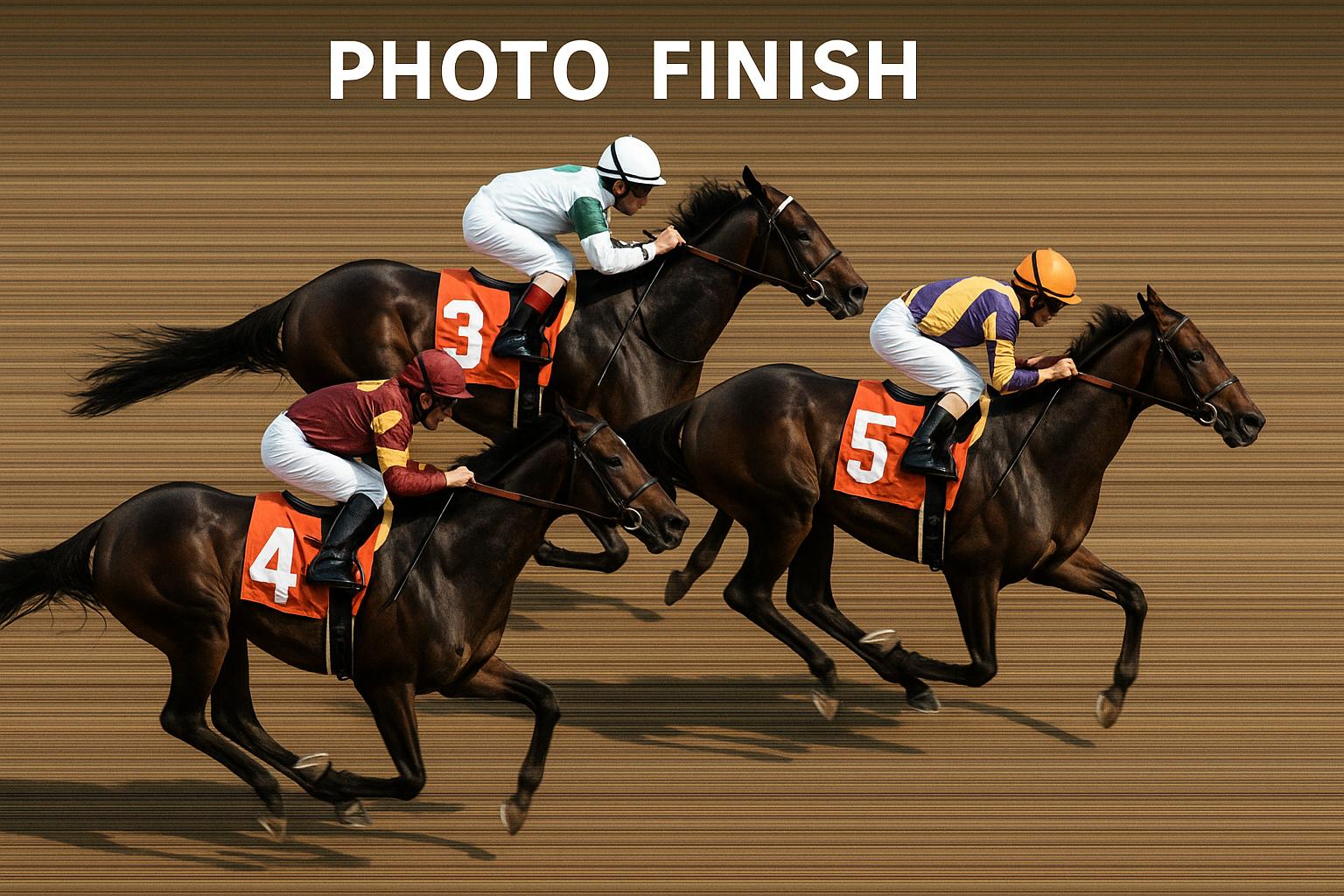
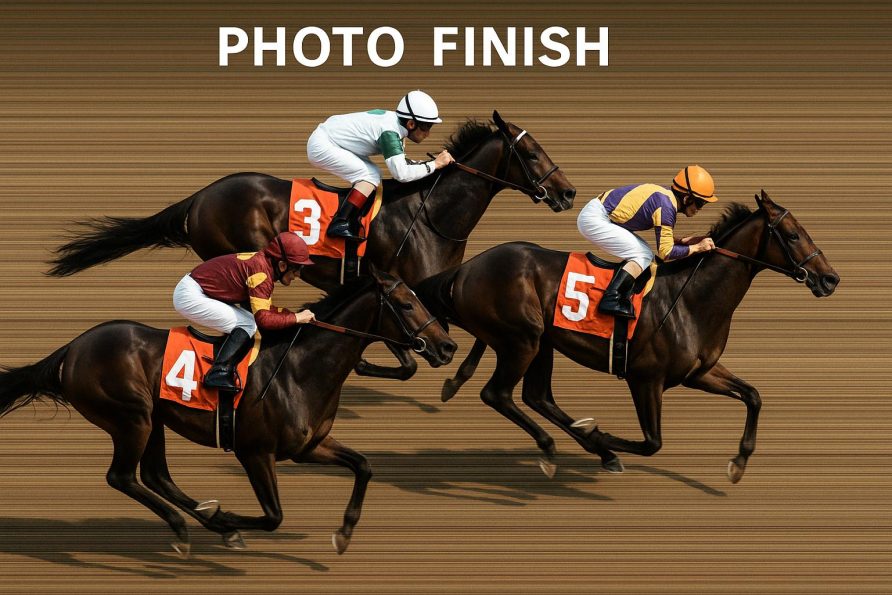
In the world of horse racing, one of the most thrilling and suspense-filled moments occurs when horses cross the finish line neck and neck, rendering it nearly impossible for spectators to determine who has won. This is known as a photo finish, a term that highlights the importance of technology in accurately determining race outcomes.
The Role of Photo Finish Cameras
A photo finish camera is a crucial piece of equipment in the horse racing industry. Strategically placed at the finish line, this camera captures an image sequence that effectively stops time at the precise moment the horses cross the line. Unlike traditional photography, which takes individual static shots, a photo finish camera utilizes a specialized line-scan technique to create a comprehensive visual record of the race’s conclusion.
The Line-Scan Technique
The line-scan technique operates on a principle distinct from conventional photographic methods. It involves the rapid capture of images of a narrow, vertical line at the finish line, repeating this process at high speeds. When these sequential images are compiled, they produce a single, continuous image that accurately represents the racing order of the horses as they cross the finish line. By eliminating the varied perspectives often found in standard photography, this technique offers a precise depiction of the proximity with which the horses have completed the race.
Interpreting Photo Finish Images
Upon capturing these images, race officials analyze and process them to make accurate determinations regarding the race results. Officials employ the stripe method, a technique derived from the line-scan image, to ascertain the exact order of finish. In this process, each horse’s position is measured based on the point at which its nose contacts the finish line. This visual confirmation serves as an indisputable reference, especially in scenarios where race results may be contested, or precise measurements are required.
The Importance of Photo Finishes
Photo finishes play an integral role in upholding fairness and precision in horse racing. They help eliminate discrepancies that might arise from human error or the constraints of manual timing methods. The importance of this technology is particularly pronounced in high-stakes races, where the margin between the victor and the runner-up may be as slim as fractions of a second, making accuracy crucial in determining the winner.
Technology and Its Advancements in Horse Racing
As technology continues to evolve, so too does the precision and reliability of photo finishes. Innovations in digital imaging and the introduction of high-speed cameras have significantly improved the quality of photo finish images, minimizing the potential for error. For those interested in a broader understanding of the impact of technology on sports, resources such as technology in sports can provide valuable insights.
Moreover, these advancements have a ripple effect, ensuring that each race upholds the principles of integrity and excitement. The enhanced accuracy of photo finishes allows for a fair and objective adjudication process, reinforcing the credibility and trustworthiness of the sport. The continuous improvement in imaging technology not only benefits horse racing but also sets a standard for other sports seeking to implement similar advancements.
Applications Beyond Horse Racing
The principles of photo finish technology extend beyond the realm of horse racing. Similar techniques are applied in various sports where outcomes may hinge on minute differences in finishing times. Track and field, swimming, and cycling are a few sports that benefit from the implementation of high-speed cameras and line-scan technology. This cross-disciplinary adoption underscores the versatility and value of photo finish systems in the wider sporting world.
The Technical Aspects of Photo Finish Cameras
Delving deeper into the technical specifications, photo finish cameras are often equipped with sophisticated sensors and lenses designed to capture high-fidelity images at rapid speeds. These cameras operate on algorithms that ensure every millisecond is accounted for during a race. The combination of high-resolution imagery and real-time data processing contributes to the cameras’ ability to render precise, clear images that reflect the true order of a race’s conclusion.
The Future of Photo Finishes
Looking ahead, the future of photo finishes in horse racing seems promising, with continued developments on the horizon. Integration of advancements such as artificial intelligence and machine learning may further refine the analysis and interpretation of photo finish images. These technologies could automate some of the processes currently overseen by race officials, enhancing speed and accuracy while maintaining a high standard of fairness.
The Larger Impact on the Horse Racing Industry
The utilization of photo finish technology represents a broader commitment within the horse racing industry to embrace innovation and uphold excellence. The adoption of cutting-edge equipment not only ensures fair competition but also enhances the overall fan experience. Spectators can enjoy the sport with the assurance that every race result is determined accurately and fairly. As the industry continues to integrate technology, horse racing can maintain its status as a thrilling and equitable sport that captivates audiences worldwide.
In conclusion, photo finishes are a vital component of the horse racing industry, critical in ensuring every race is both fairly and accurately adjudicated. With ongoing technological advancements, the sport’s integrity and excitement are sustained, promising an engaging future for horse racing enthusiasts.