Understanding Pace in Horse Racing
The analysis of pace in horse racing is a crucial element that can significantly influence betting strategies and the overall evaluation of a race. By focusing on how a race unfolds from start to finish, pace analysis helps in determining the likely front-runners and closers, thus offering bettors a competitive edge in their wagering decisions.
Defining Pace
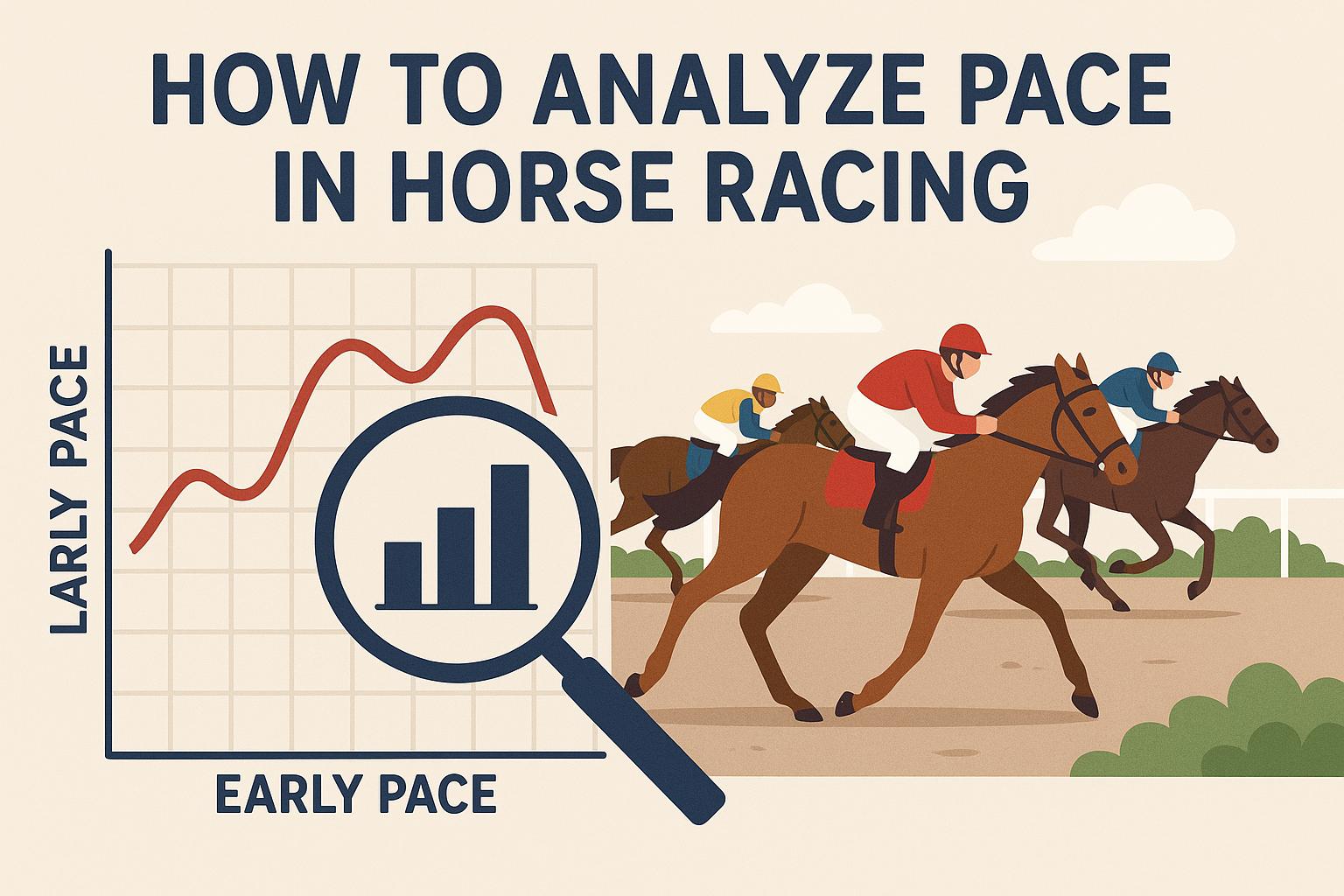
In the context of horse racing, pace refers to the speed at which a race is conducted. It encompasses the assessment of how quickly the horses run during the early fractions of a race compared to the latter stages. A profound understanding of the pace is essential for predicting which horses might perform well in a given race.
The Impact of Pace is highly significant. A pace that is excessively fast in the initial stages can lead to horses becoming exhausted before the race concludes. Conversely, a slower pace might be advantageous for horses with more stamina, allowing them to reserve energy for a strong finish.
Identifying Pace Scenarios
Different races will exhibit varying pace scenarios, which are crucial for predicting outcomes:
Fast Pace: This is characterized by rapid early fractions. Horses leading at a fast pace often struggle to maintain their speed throughout the entirety of the race, which can benefit the closers who conserve energy for a strong finish.
Slow Pace: In such scenarios, the leading horses conserve energy during the early parts of the race. This conservation allows for potentially strong finishes by those horses, especially if they possess more stamina.
Even Pace: Here, the race maintains a moderate speed throughout, often favoring horses that are well-balanced in terms of speed and stamina, allowing them to maintain consistency from start to finish.
Understanding and assessing these scenarios necessitates a thorough analysis of past performances, track-specific conditions, and the competing horses.
Analyzing Past Performances
To provide insight into how a horse might perform under a specific pace scenario, examining its past races is crucial. There are several factors to consider:
Running Style: Horses have different running styles; some are natural front-runners, while others are proficient as closers or stalkers. Identifying these tendencies is crucial for predicting race outcomes based on pace.
Fractional Times: Analyzing the fractional times or splits from previous races can give a clearer picture of a horse’s competitive speed and its ability to adapt to different pace scenarios.
Utilizing software or professional past performance reports can greatly facilitate this analysis. These tools offer detailed data and trend insights not easily discernible through casual observation.
Adjusting for Track Variations
It is essential to recognize that tracks vary significantly in how they affect pace. Some tracks may naturally favor speed, providing a conducive environment for fast pace scenarios, while others may be more forgiving to late runners, thereby benefiting horses that possess stamina and a strong finishing kick.
For detailed information on track conditions and pace analysis tools, visiting specialized racing sites like Horse Racing Nation or Equibase can be extremely beneficial. These platforms provide comprehensive resources, expert insights, and the latest updates on track conditions, allowing bettors to make more informed decisions.
Adapting Betting Strategies
Integrating pace analysis into betting strategies requires a multifaceted approach, as understanding pace is only part of the equation. Bettors must also consider other influential factors such as jockey experience, trainer history, and even seasonal variations that can affect horse performance.
For instance, a horse that may favor fast-paced conditions might underperform in adverse weather conditions, such as a wet track, where the dynamics of a race can change drastically. Therefore, staying abreast of weather forecasts and track conditions on the day of the event is vital.
Leveraging Technology in Pace Analysis
The advent of technology has revolutionized how bettors approach pace analysis. The availability of cutting-edge software and data-driven platforms allows for more accurate predictions. These tools can compute vast amounts of data to simulate race outcomes and identify hidden trends that may not be visible through standard analysis.
In addition to using technology, engaging with online communities and forums where enthusiasts discuss analysis techniques and share insights can be advantageous. Such discussions can provide fresh perspectives and enhance one’s understanding of complex pace scenarios.
Conclusion: The Art and Science of Pace Analysis
In conclusion, mastering pace analysis in horse racing is an intricate process that involves a detailed examination of numerous factors, including running styles, past performances, and track conditions. A bettor who can combine these elements effectively stands a better chance of predicting race outcomes more accurately, thereby gaining a potential advantage in their wagering choices.
The art of pace analysis lies in the ability to synthesize these varied elements into a cohesive understanding, while the science is rooted in the methodical evaluation of data and trends. Both elements are deeply intertwined, and proficiency in this area requires diligence, practice, and a keen analytical eye.
Whether you are a novice or a seasoned bettor, continuously honing your pace analysis skills can enhance your overall betting acumen and increase the enjoyment and success you derive from participating in horse racing events. By deepening your insights and refining your strategies, you not only improve your chances of success but also elevate your appreciation for the complexities and nuances of this thrilling sport.