The Early Challenges
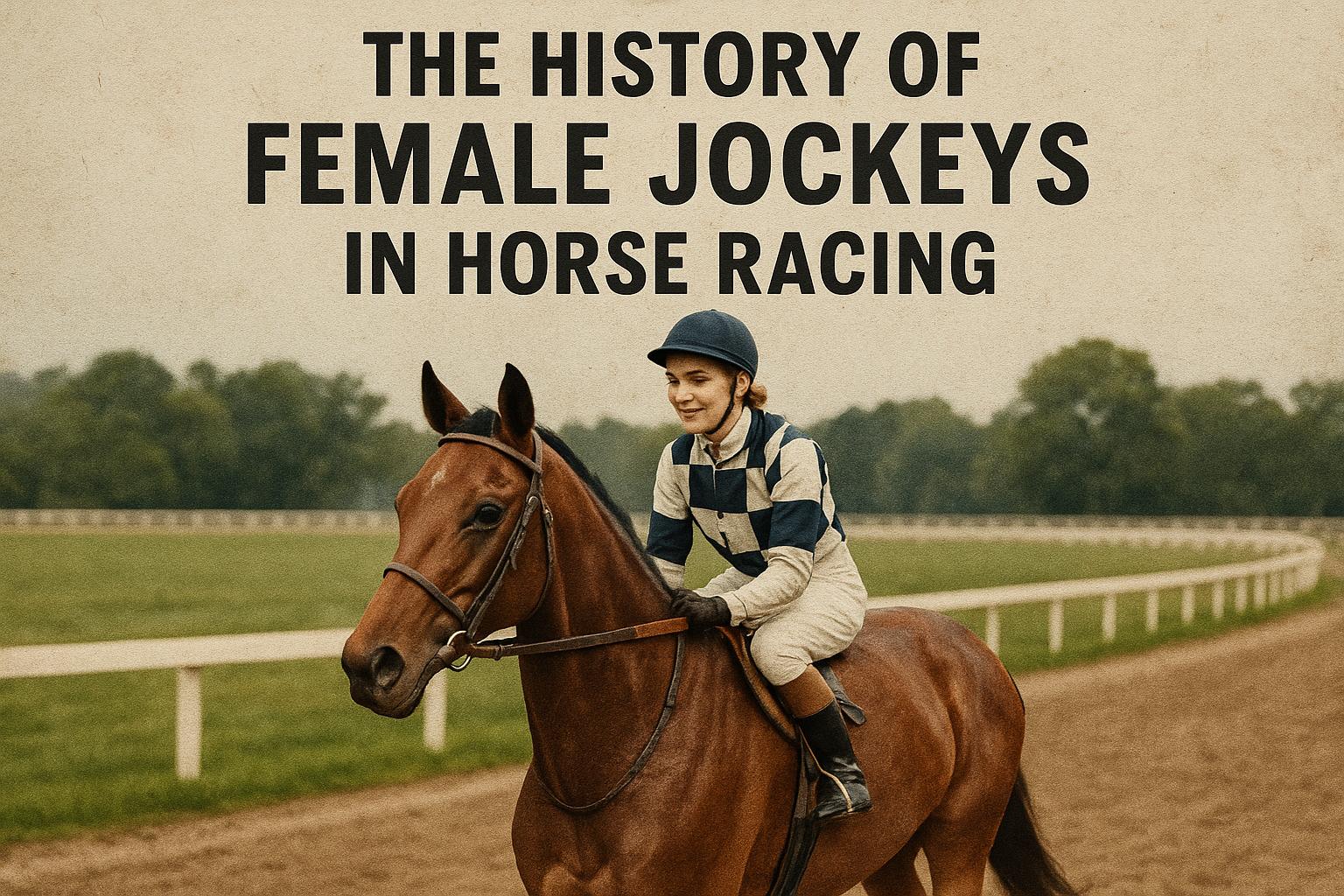
The history of female jockeys in horse racing is a compelling narrative of perseverance, resilience, and the gradual dismantling of gender barriers within a traditionally male-dominated sport. For a significant portion of horse racing history, women were explicitly prohibited from participating as jockeys. This exclusion was rooted in entrenched societal norms and gender roles that deemed the racetrack as unsuitable for women. Traditionally, horse racing was seen not merely as a sport but as a cultural institution with deeply ingrained gender biases. The notion was that the physical demands and intense competition inherent to jockeying were beyond the capabilities of women.
This narrow view persisted for decades despite the prevalent involvement of women in other roles within the equestrian industry, such as trainers and stable hands. However, these outdated perceptions began to shift gradually during the mid-20th century, ushering a slow yet significant change toward inclusion and gender equality in horse racing.
The Pioneers
The breakthrough moment for female jockeys occurred in 1969 when Kathy Kusner became the first licensed female jockey in the United States. Kusner’s journey to obtaining her license was fraught with challenges and required legal action to combat the prevailing gender discrimination entrenched in horse racing at the time. As an accomplished equestrian, Kathy Kusner challenged the California Horse Racing Board’s refusal to grant her a jockey’s license purely based on her gender. Her persistence resulted in a historic court decision that acknowledged gender discrimination within the sport.
Kusner’s success marked a pivotal step forward, laying the groundwork for future generations of female jockeys. Her courage and determination in confronting systemic gender bias have been well-documented in various horse racing journals and publications, highlighting her as a trailblazer in the realm of equestrian sports.
The Rise of Female Jockeys
The breakthrough achieved by Kathy Kusner opened doors for women and set a precedent that catalyzed changes in horse racing throughout the 1970s and 1980s. During this period, the number of female jockeys began to increase gradually. This change reflected not only a shift in the sport but was indicative of broader cultural movements advocating for gender equality across various domains.
In a historic first, jockey Gail Bodkin became the first woman to compete in the prestigious Grand National in the United Kingdom in 1977. This event highlighted the growing acceptance and participation of women in prominent races globally and underscored the slow yet ongoing transformation within the sport.
In nations such as Australia, women like Pam O’Neill and Linda Jones emerged as pioneering figures, steadfast in their resolve to compete against their male counterparts. Despite facing substantial skepticism and resistance from within the industry, these women persisted and gradually earned respect and recognition through their performances on the racetrack.
Breaking the Ceiling
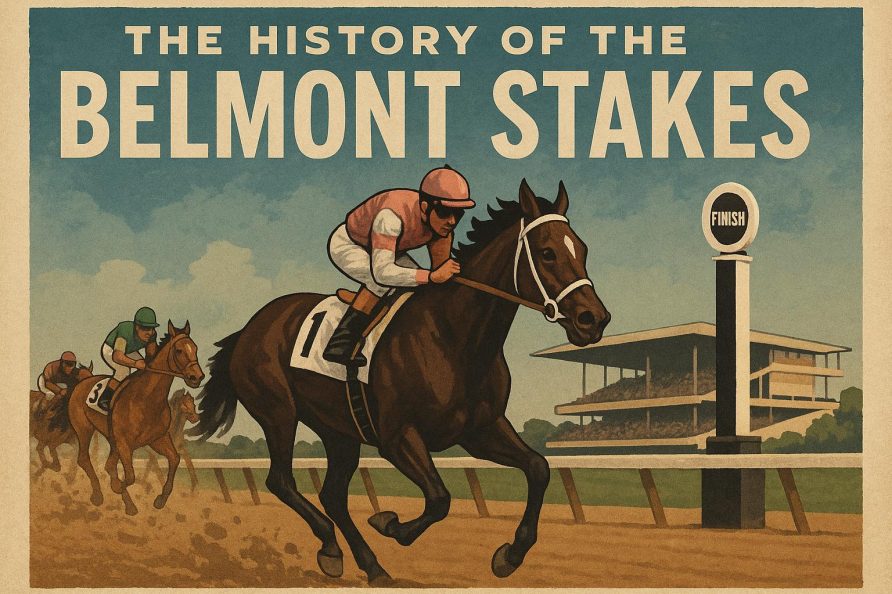
As the years progressed, the acceptance and recognition of female jockeys continued to expand. A landmark event in the history of female jockeys occurred in 1993 when Julie Krone became the first woman to win a Triple Crown race in the United States by capturing the Belmont Stakes. This victory was not just a personal achievement for Krone but served as a defining moment in horse racing history, emphatically demonstrating that female jockeys possessed the skill and tenacity to compete and succeed at the highest echelons of the sport.
Throughout the years, racecourses and racing associations around the globe started to laud the contributions of female jockeys. Some organizations even began to implement measures to promote gender equality within the sport. Yet, despite these advancements, persistent challenges remain. Female jockeys continue to navigate the complex dynamics of the racing world, striving to achieve parity in terms of both opportunities and recognition.
Current Developments
In recent years, significant strides have been made towards amplifying the visibility and accomplishments of female jockeys within the equestrian world. The feats of successful jockeys such as Hayley Turner and Rachael Blackmore have attracted international acclaim and have further bolstered the profile of women in horse racing. Turner, for instance, became the first woman to win a Group 1 race outright in Britain, a historic achievement that set a precedent for future generations of female jockeys.
Similarly, Rachael Blackmore’s victory as the first female jockey to win the Grand National at Aintree in 2021 was particularly momentous. Her triumph was widely covered in horse racing content and is emblematic of the ongoing evolution within the sport towards more inclusive practices.
The continuous efforts to showcase the capabilities and successes of female jockeys have not only inspired aspiring female jockeys but also contributed towards shifting perceptions about gender roles in horse racing. Although significant progress has been made, the journey towards full gender equality within the sport is ongoing. This ongoing journey underscores the importance of acknowledging, celebrating, and learning from the history and achievements of trailblazing women such as Kathy Kusner, Julie Krone, and others who have paved the way.
The legacy of these women serves as a powerful reminder of the capacity of human spirit and resilience to challenge social norms and reshape cultural landscapes. Their contributions continue to inspire future generations, fortifying the path towards greater representation, equality, and recognition in horse racing and beyond. The continued push for equity ensures that the stories and achievements of female jockeys are not only celebrated in the present but are also secured within the annals of horse racing history for future generations to appreciate and learn from.