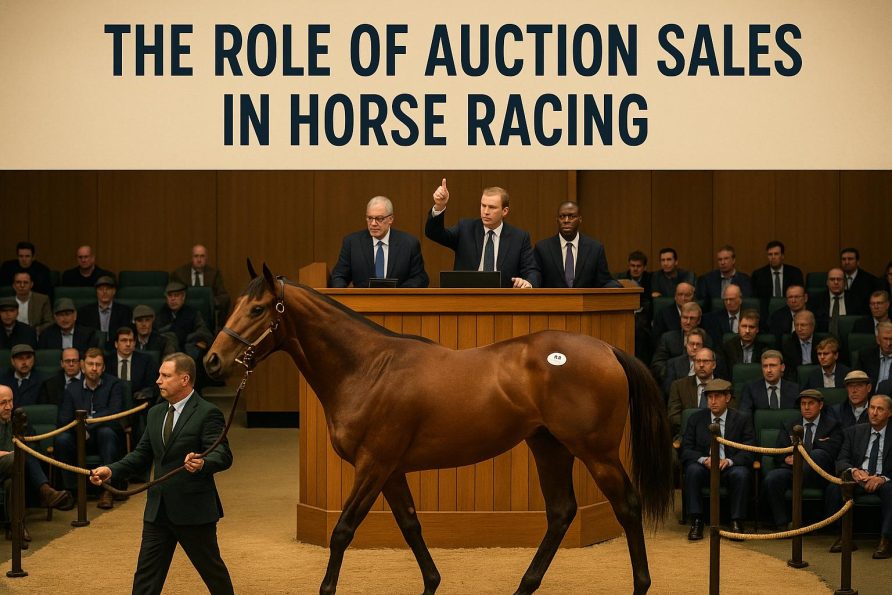
The Significance of Auction Sales in Horse Racing
Horse racing stands as a complex sport intricately linked with the business of trading horses. At its core, auction sales serve as a fundamental component of this sport, ensuring the regular distribution of thoroughbreds and various horse breeds. These auctions represent vital platforms for transactions that are both transparent and competitive, significantly influencing the career trajectories of racing horses and the broader equine market.
The Auction Process
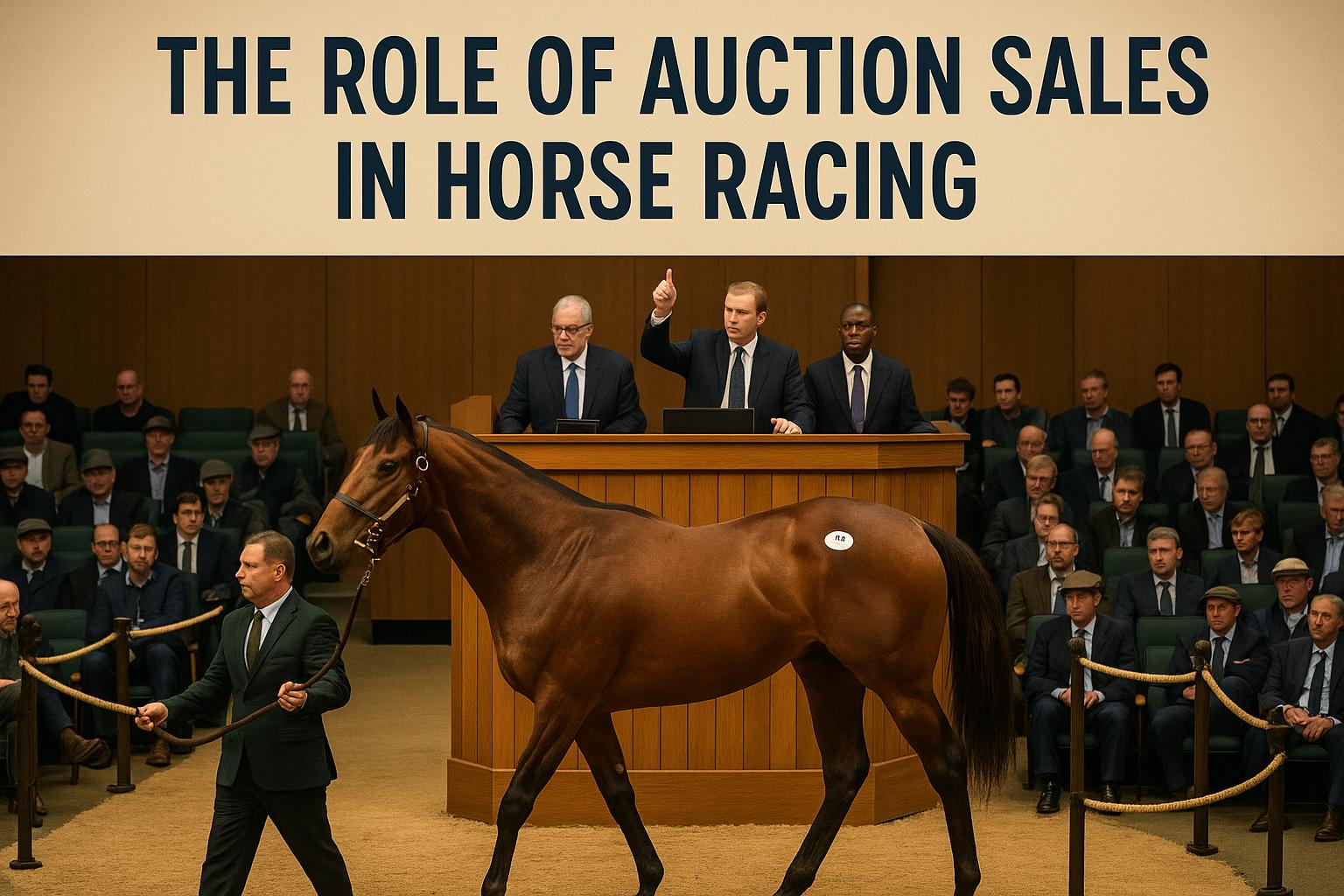
The design of the auction process is pivotal in guaranteeing that horses are evaluated and sold fairly. Each horse destined for the racing track typically makes its way to auction only a short time before embarking on its racing journey. The chronology of auctions usually considers aspects like the age and pedigree of the horses, ensuring an organized and fair sale process. Purchasers range widely, from individual enthusiasts to extensive syndicates, all seeking horses with the promise of future excellence on the racecourse.
Types of Auction Sales
Auction sales in horse racing aren’t monolithic; rather, they vary significantly, with distinct categories often corresponding to the horses’ developmental stages and geographic location of the events.
Yearling Sales focus on horses approximately one year old. These horses are on the brink of beginning their training, making them prime candidates for buyers looking to invest in potential. Given their age, these sales are particularly significant, as investors must rely heavily on pedigree and physical conformation to predict racing success.
Two-Year-Olds in Training Sales involves horses that have already undergone the initial phase of training. These horses have been saddled, ridden, and take a step further by performing under a rider at a canter on the track. Such sales enable purchasers to witness the horse’s demeanor and movement, offering a glimpse of its racing potential.
Mixed Sales offer a diverse selection of horses at varying stages in their equine careers. Purchasers might be interested in broodmares and stallions specifically for breeding purposes, alongside prospects intended for racing.
Key Players in Auction Sales
A successful auction hinges on several key stakeholders working in concert.
Consignors play a critical role. These individuals or agents are often breeders themselves who devote considerable time and effort to preparing and presenting horses to interested buyers. Their presentation can greatly impact a horse’s sale price, as knowledgeable buyers rely upon the expert handling and showcasing of the animals.
Buyers participating in auction sales are a diverse group. They consist of seasoned investors, racing enthusiasts with substantial industry knowledge, and newcomers looking to make strategic investments in promising racing prospects. Each buyer has different priorities, from pedigree to potential to plans for future breeding.
Auction Houses are organizations that facilitate these transactions. They provide the necessary infrastructure, from cataloging to the sale’s execution, and ensure the proceedings are smooth and adhere to a strict code of conduct and ethics.
Impact on the Horse Racing Industry
Auction sales profoundly shape the horse racing industry. They are the initial step in distributing racing talent across owners and trainers, setting the stage for potential champions. Beyond racing, these sales directly affect breeding decisions, influencing future generations of racehorses.
Prices determined in auctions reflect current market conditions and the perceived value of specific bloodlines. Therefore, fluctuations in prices can indicate changing trends within the industry. High prices often suggest optimism and growth, while lower prices might imply caution or shifts in demand.
Auctions’ competitive and transparent nature maintains the dynamism of the horse racing market. They serve as crucial avenues for ensuring that new owners can enter the sport, thereby preventing monopolization and keeping market prices aligned with actual demand.
Moreover, auctions often act as economic indicators for the industry’s health. State-of-the-market assessments can be made by analyzing trends in auction sales, offering insights into areas of strength and concern within the industry.
For a deeper dive into how auction sales impact the broader landscape of horse racing, resources from industry analysts and renowned auction companies like Tattersalls and Fasig-Tipton offer valuable insights and data.
In summary, auction sales are indispensable in shaping the competitive and economic landscapes of the horse racing industry. By determining the allocation of young racing prospects to various owners, auctions not only influence the sport’s competitive terrain but also ensure its economic sustainability. This intricate process continues to be a linchpin in the equine sporting realm, guiding the path from promising yearlings to potential champions.