The Role of Ratings in Handicapping Horse Races
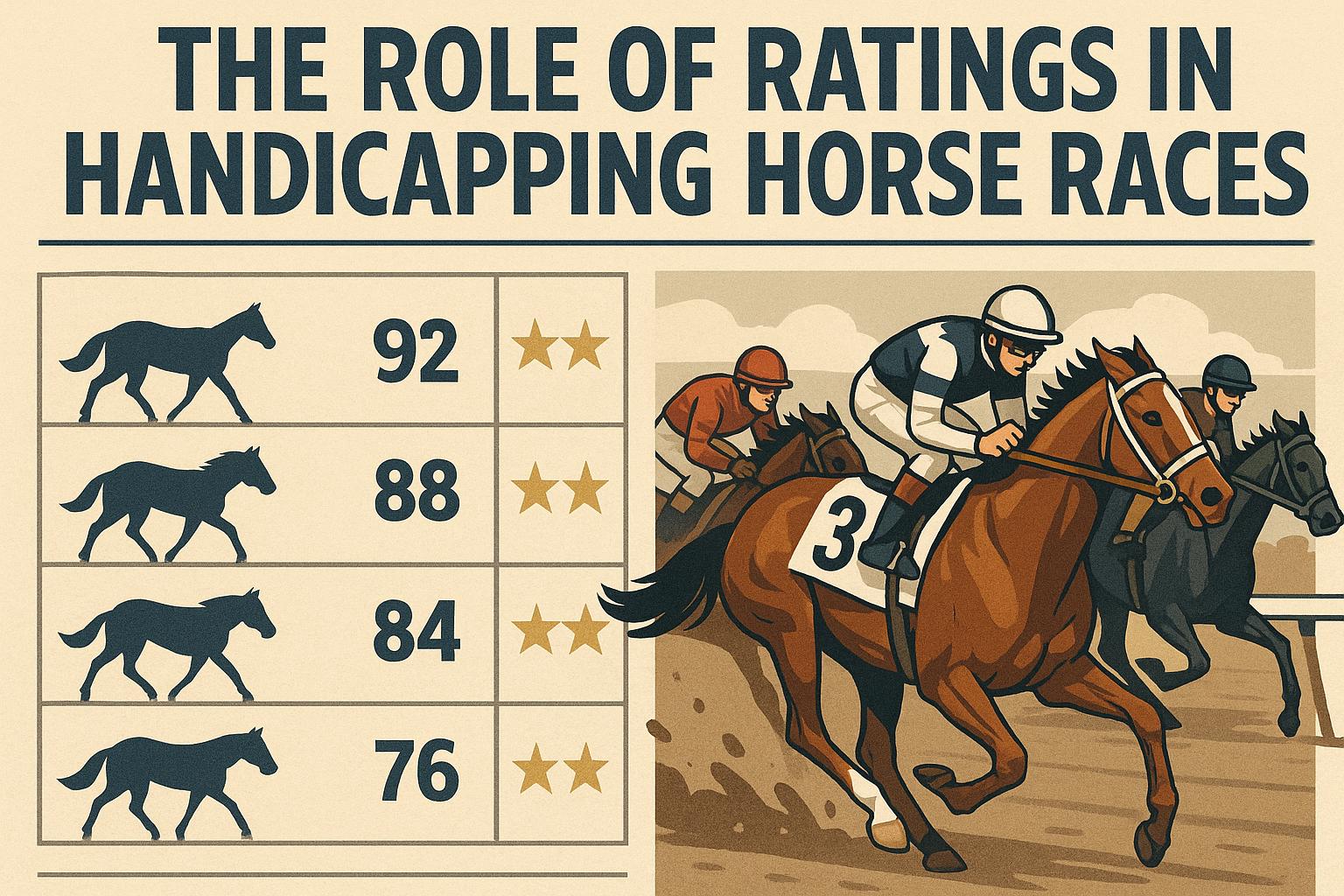
Handicapping horse races is a complex process that involves analyzing numerous variables. One critical component in this process is the use of ratings, which provide a standardized way to evaluate horses’ past performances and predict future outcomes.
Understanding Horse Ratings
Ratings in horse racing serve as a numerical representation of a horse’s performance. Various organizations and rating bodies assign these ratings based on a horse’s results in past races. Each race that a horse participates in contributes valuable data that is analyzed and measured to create these ratings. The ratings are often adjusted to account for different variables, such as the quality of competition, track conditions, and even the weight carried by the horse. Such adjustments are crucial for ensuring that the rating reflects the true potential and conditions under which a horse performed.
The main goal is to provide bettors and enthusiasts with a tool that simplifies the assessment of a horse’s potential. Ratings offer a quick and accessible means to understand a horse’s past performances without having to dissect each race individually. However, it’s important to note that ratings are just one of many factors used in handicapping. Handicapping, which is essentially assessing a horse’s chances in a race, can also include speed figures, class levels, and jockey performance.
Types of Ratings
There are different types of ratings used in horse racing, each offering unique insights:
Official Ratings: These are typically provided by the governing bodies of horse racing in different countries. They offer a publicly available benchmark for assessing horse performance. This form of rating is often used to standardize the qualifications for different race categories and provides a level playing field when comparing horses internationally.
Speed Ratings: Offered by private enterprises, speed ratings aim to show how fast a horse ran in comparison to its competitors, adjusting for specific race-day conditions. Speed ratings are essential for bettors interested in understanding how a horse can perform speed-wise under certain race conditions. By considering the pace of the race and other conditions on race day, speed ratings provide a detailed look at the horse’s capacity to perform under stress.
Form Ratings: These rating systems assess a horse’s current form by evaluating recent performances, providing context about its readiness to perform well. A horse that consistently performs well might see an improved form rating, which might indicate its likelihood to continue performing well in upcoming races.
The Role of Ratings in Betting
In the context of betting, ratings offer a quick and effective way to compare different horses in a race. A higher-rated horse is generally considered more likely to perform well, and bettors often use this as a starting point in their analysis. However, seasoned bettors understand that they shouldn’t rely solely on ratings. A complete betting strategy might also integrate information about horse pedigree, trainer success rates, and recent race outcomes.
Ratings can aid in identifying value bets—situations where the odds offered by bookmakers do not accurately reflect a horse’s true chances, as inferred from its rating. Bettors who can identify these discrepancies are often able to place more successful bets, earning profits over time by betting on horses that have been undervalued by the market.
Limitations of Ratings
While ratings are invaluable, they are not foolproof. They rely on historical data and might not account for unforeseen factors such as a horse’s sudden improvement or decline, adverse track conditions, or strategic jockey decisions. These elements can have a considerable impact on performance and might lead to results that are unexpected even for a highly-rated horse.
Moreover, different rating systems use varied methodologies, potentially causing discrepancies between the figures provided by different agencies. These differences might mean that two horses could be rated differently depending on which rating system is being used, potentially leading to confusion.
Given these limitations, an over-reliance on ratings could lead to overlooked nuances that might be crucial for accurate handicapping. It’s advisable, therefore, for those involved in handicapping to use ratings as a part of a broader analysis, considering them alongside first-hand observation and other quantitative measures, rather than relying on them as a standalone measure.
For more insights into effective handicapping strategies, consider exploring specialized resources from professional handicapper platforms or horse racing analytics sites. You can find some of these comprehensive guides and articles here.
Ultimately, ratings remain an essential tool in the toolkit of anyone looking to make informed decisions in horse racing. They offer a blend of historical performance data and analytical insight that can be invaluable when used alongside other handicapping methods. Being able to interpret and use these ratings effectively can greatly enhance the decision-making process, allowing for more strategic and informed betting.
As the horse racing industry continues to evolve, the systems and methodologies used in creating ratings are likely to become even more sophisticated, potentially offering even greater accuracy and insight into horse performance. For enthusiasts and bettors alike, staying informed and continuously improving their understanding of ratings can lead to better outcomes and a deeper enjoyment of the sport.