
Introduction to Harness Racing
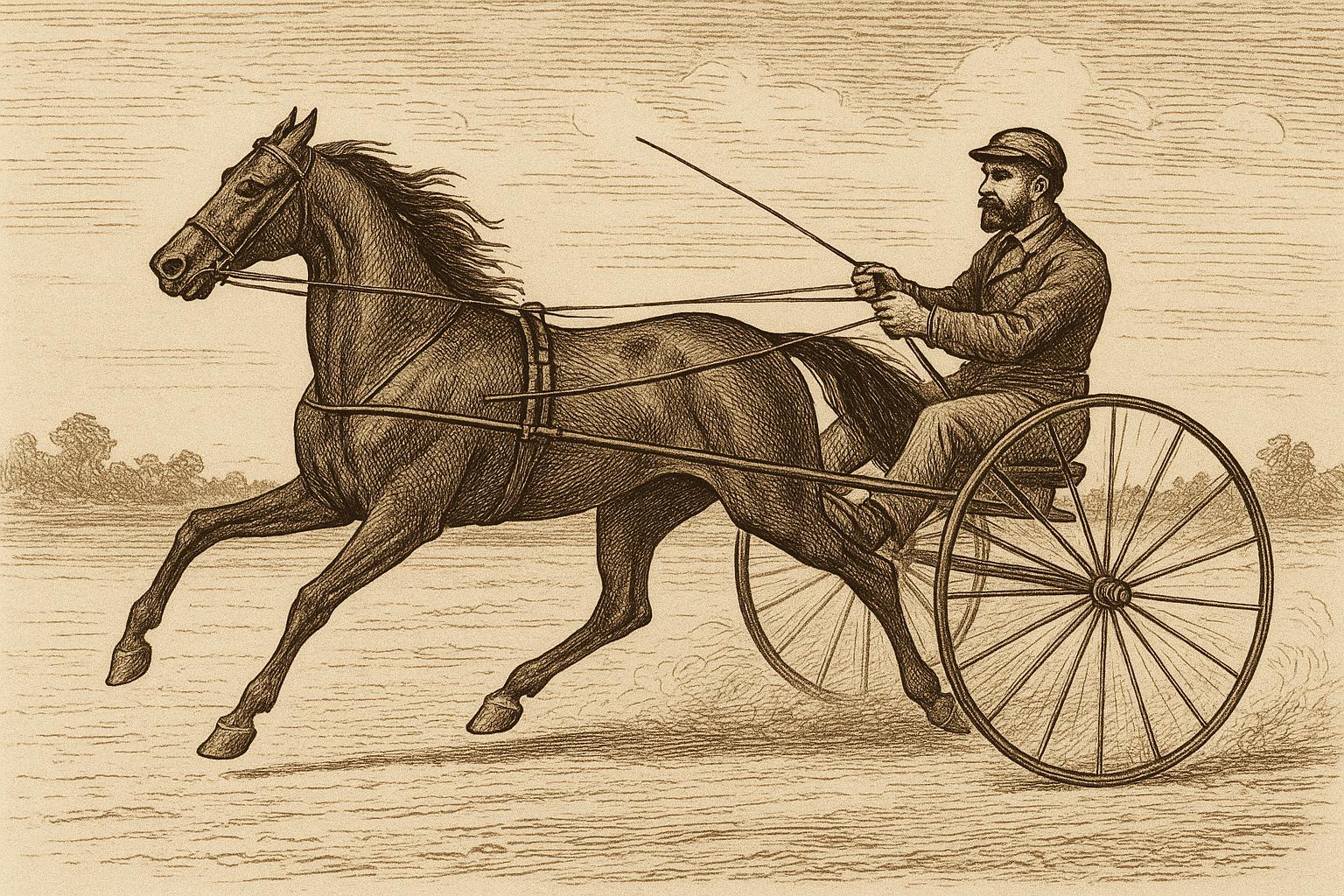
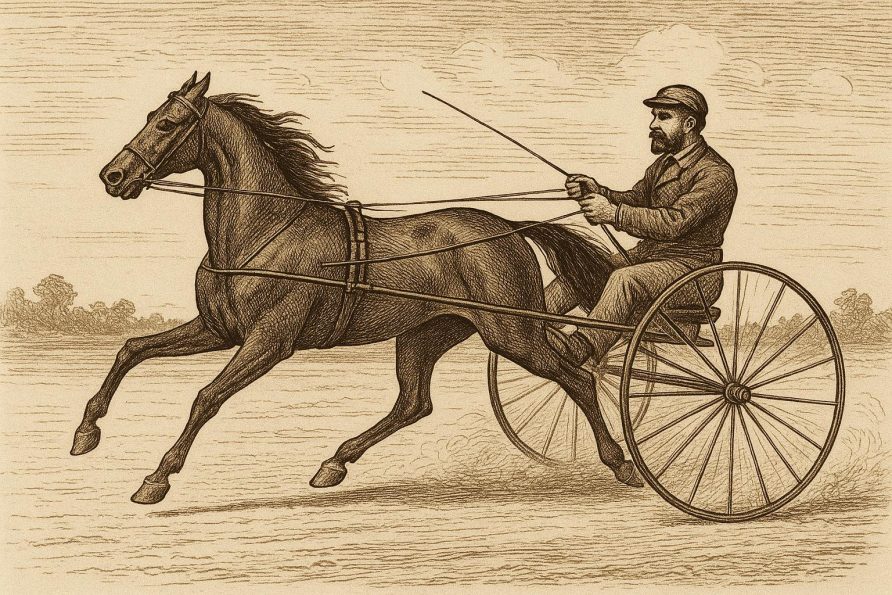
Harness racing stands out as a distinctive and engaging form of horse racing where horses are required to race at a designated gait, i.e., a trot or a pace, while drawing a two-wheeled cart known as a sulky. This intriguing sport, with its captivating dynamism and storied past, has roots stretching back centuries and remains a popular spectacle among audiences worldwide.
Early Beginnings
The journey of harness racing is deeply interwoven with human history. Despite its modernization over the years, the basic tenets have remained consistent. The origins can be traced back to ancient civilizations, including the Romans who partook in chariot racing with fervor. However, the modern adaptation of harness racing as we experience it today began to coalesce during the early 19th century, with a notable surge in interest in the United States. Here, it found a welcoming ground, particularly in rural and agrarian communities, where the simplicity and engagement of the sport resonated with many.
Development in America
In America, the framework of harness racing began to solidify. Critical to this development was the establishment of the Standardbred horse breed. These horses, named for their ability to either trot or pace a mile within a preset standard time, became integral to the sport. They represent a hallmark of both endurance and speed, pivotal attributes that define harness racing. The formation of the National Association of Trotting Horse Breeders in 1871 was a significant milestone, as it introduced standardized rules and race distances. These regulations brought a sense of uniformity and professionalism to the sport, facilitating its organized development and appeal to a broader audience.
20th Century Advancements
The 20th century was a period of remarkable advancements for harness racing. The introduction of pari-mutuel betting in the 1920s marked a transformative phase, sparking increased public interest and contributing substantially to the financial prosperity of the sport. This system of betting pooled stakes and calculated odds, offering dividends to winning bets, thus enhancing spectator engagement and investment in the sport. Prestigious racing events like the Hambletonian and the Little Brown Jug emerged as pivotal fixtures on the racing calendar, establishing themselves as competitive highlights that further bolstered the sport’s popularity on a global stage.
Technological innovations began reshaping the facets of the sport during this period. Enhancements were evident in various aspects such as track surfaces, sulky design, and training methodologies. Sulkies were honed to become lighter with more streamlined designs, optimizing them for higher speeds and offering a more exhilarating experience for spectators and participants alike. Concurrently, training techniques evolved, integrating scientific insights to improve horse performance and safety.
Modern Harness Racing
In contemporary times, harness racing has developed into a burgeoning industry recognized for its widespread participation across continents including Australia, New Zealand, Canada, and numerous European countries, apart from sustaining its historical success in the United States. The sport is now intertwined with advanced technology features, including high-definition broadcasts that cater to online audiences, enriching the viewer experience, and the utilization of data analytics for bettors, enhancing the strategic dimensions of betting.
The Evolution of Breeding and Training has played a further critical role in the present landscape of harness racing. Breeding practices have seen substantive enhancements, aiding in the refinement of traits and the performance abilities of the Standardbred breed. These enhancements ensure competitive robustness and bring forth new generations of racehorses poised for success. Meanwhile, training regimens have become increasingly sophisticated, leveraging extensive scientific understanding of equine physiology to devise tailored and effective training schedules.
For individuals keen on diving deeper into the nuances and details of harness racing, exploring official racing organizations and historical archives available online can serve as valuable resources. These platforms offer reliable and authoritative insights that cater to both enthusiasts and scholars interested in the historical and contemporary dynamics of harness racing.
Thus, the evolution of harness racing from its ancient beginnings to its modern iteration is a testament to its enduring appeal and dynamic adaptability. With its rich history, technological advancements, and global presence, harness racing continues to capture the imagination of audiences and athletes alike, showcasing the magnificent synergy between human ingenuity and equine prowess.